q.wave is already installed and running — on farms, in greenhouses, on golf courses, and across industrial water systems. Every case here comes from a real, working installation.
Real sites. Real operating conditions. Real observations.
Field Observations
One Platform. Proven Across Every Application.
The same q.wave technology runs on farms, in ponds, in homes, on golf courses, in industrial systems, and in concrete and ready-mix production. Here's what's been observed and reported at each one.
No chemicals added. No heat. Just intelligent water conditioning that adapts as water flows.
One Platform. Different Water. Different Possibilities.
01 · AGRICULTURE
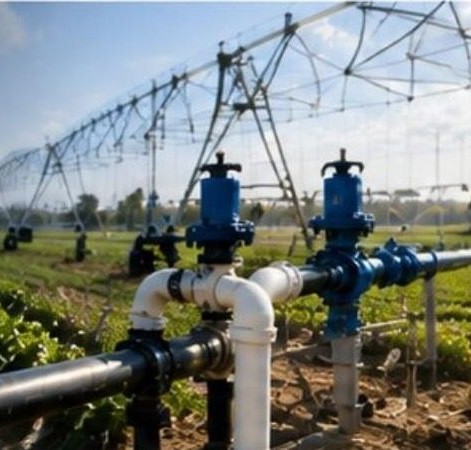
Farm Irrigation
More consistent water distribution
Promotes efficient water and nutrient use
Healthier, more uniform crop development
Reports of increased yield and higher sugar content (Brix)
02 · LAKES, PONDS & POOLS
Water Circulation
Supports water circulation and clarity management
Contributes to clearer, better-managed water
Reduced dependence on chemical treatment where applicable
03 · HOME
Residential Water
Eases mineral scale buildup
Keeps pipes and water-using equipment cleaner
Salt-free water conditioning without added treatment chemicals
Some users report softer-feeling water and a richer lather
04 · COOLING & BOILER
Industrial Water
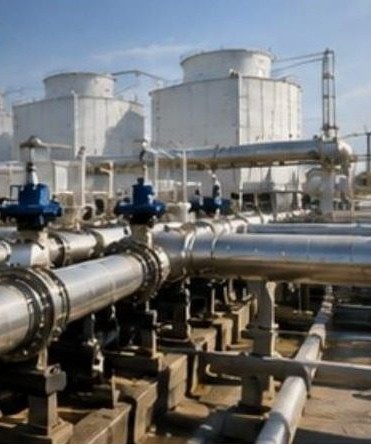
Helps create conditions where scale and biofilm are less likely to build up
Keeps heat-transfer surfaces cleaner
Contributes to steady cooling and heating efficiency
05 · GOLF & TURF
Irrigation Systems
More consistent irrigation across greens and fairways
Eases scale and buildup in irrigation systems
Encourages healthier turf and more efficient water use
06 · CONCRETE & READY-MIX
Mixing Water
Promotes more uniform water distribution throughout the mix
Contributes to consistent hydration and curing
Aims to improve how efficiently water is used during hydration
Results vary by water source, site conditions, system design, and application. Performance statements should be considered in the context of each individual installation, and are not presented as controlled comparative results.
01
Agriculture · Farm Irrigation
Korea Reference Case · Ganghwa Island · 2025
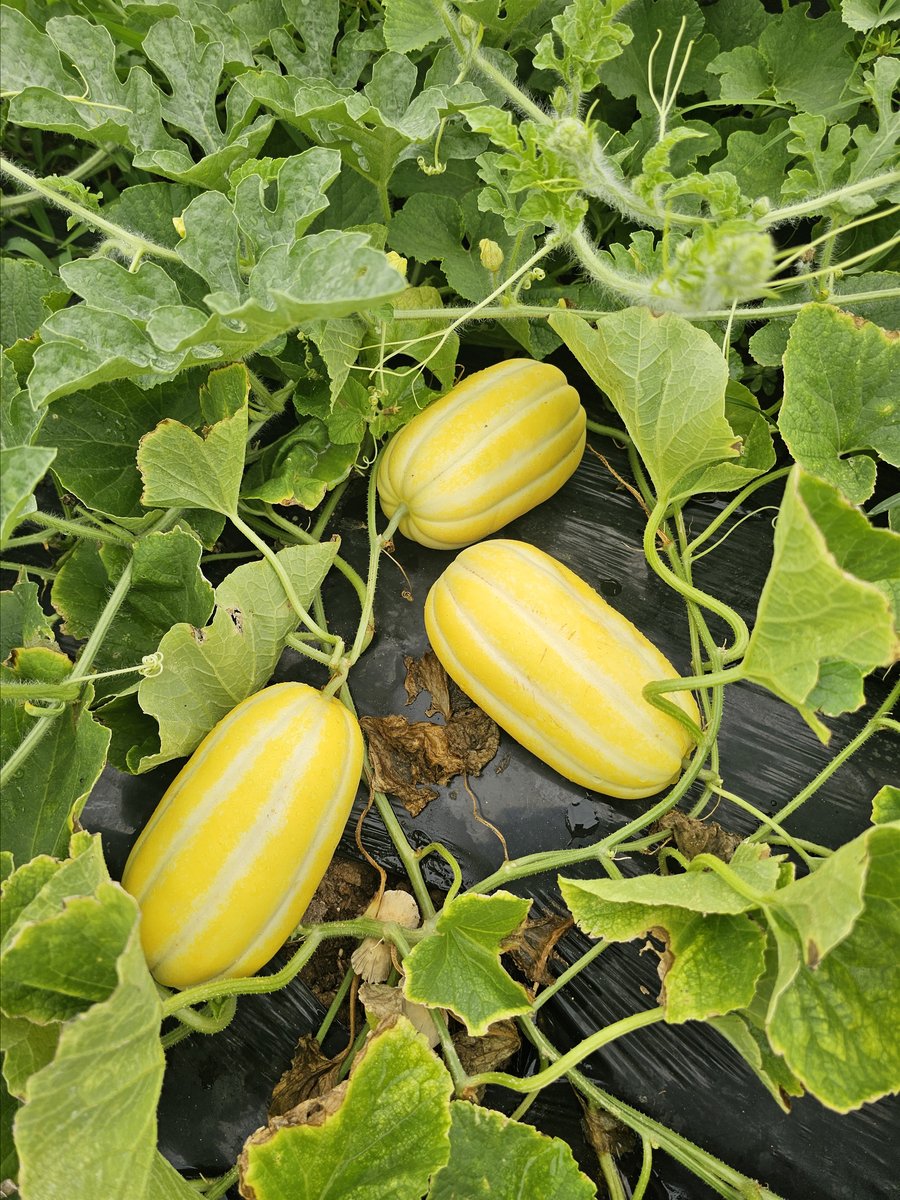
Ganghwa Experience Farm — Korean Melon (Chamoe)
Chamoe (Korean melon) is popular in Korea but notoriously hard to bring to full sweetness. This is a 2025 case of q.wave applied at a hands-on agritourism farm on Ganghwa Island.
Ganghwa Island, Incheon · Experience Farm · Applied 2025
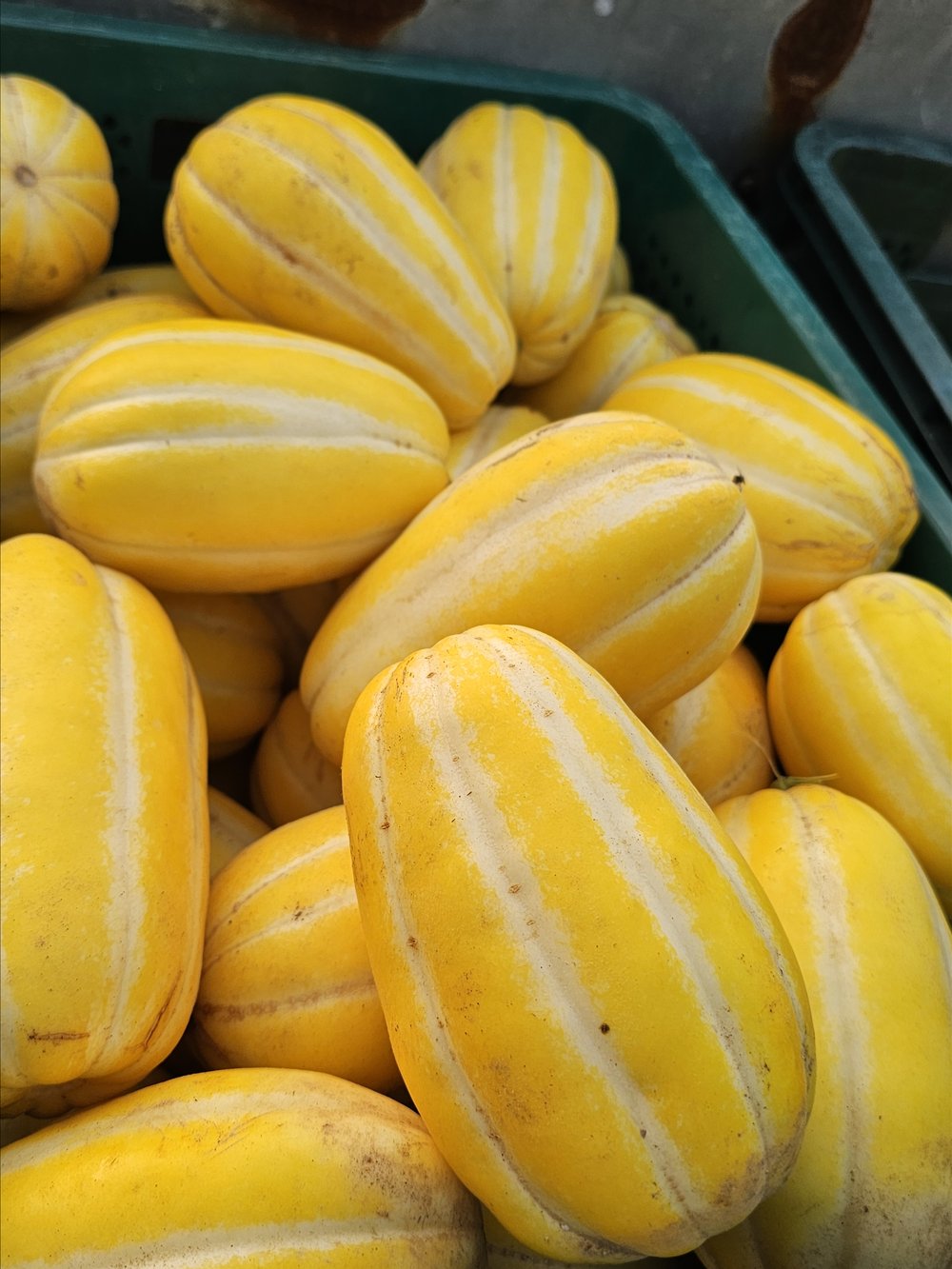
Large, uniform melons with impressive sweetness
After using q.wave conditioned water for irrigation, the melons grew to a large and uniform size, with well-defined ridges and even color. Most notably, the sweetness observed on site was especially impressive. Because chamoe is a high-demand crop where sweetness is the key challenge, this stands as a strong reference case for how q.wave can help in the field.
Location
Ganghwa Island, Incheon
Year
2025
Crop
Korean Melon (Chamoe)
Field Observation
Large, uniform size; even color and ridges; impressive sweetness
Featured Case Study
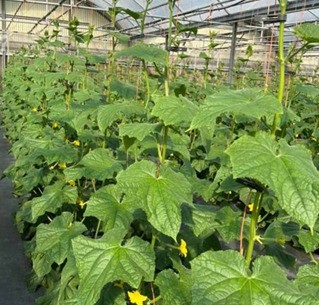
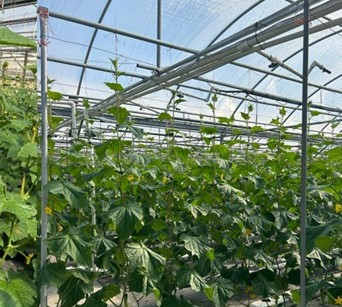
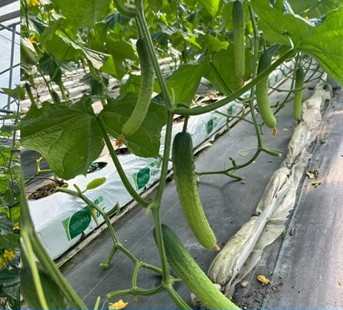
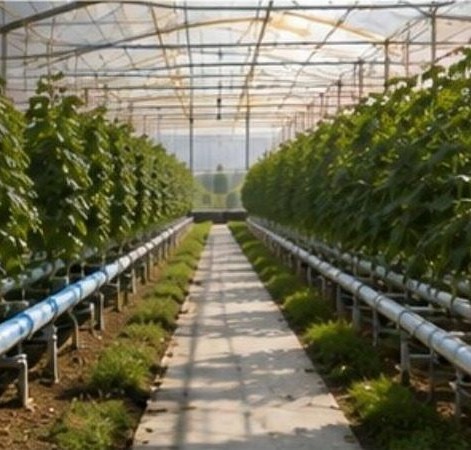
Orlando, Florida — Cucumber Greenhouse
What the grower observed after introducing q.wave into the irrigation system.
Before q.wave, the grower described difficulty keeping the irrigation basin clean and managing the crop.
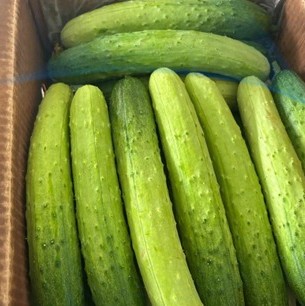
After q.wave was introduced, the grower reported that irrigation-basin water quality and plant development looked better than before, with more uniform cucumbers.
Over the same period, the farm operated with about 20% less fertilizer input while reporting healthy development and a strong harvest.
Before
The grower described difficulty keeping the irrigation basin clean and managing the crop
After
The grower reported better irrigation-basin water quality and healthier plant development
Fruit Quality
More uniform cucumbers with improved flavor and texture, as reported by the grower
Fertilizer Use
The farm operated with approximately 20% less fertilizer input (grower report)
Field observations reported by the grower at this installation. Results may vary depending on water source, crop, growing conditions, and farm management practices.
Field Observations
Different crops. Different farms. A pattern worth watching.
Across q.wave growing sites, we continue to observe how plants respond under real farming conditions. From roots and foliage to fruit size, color, and texture, each site adds another piece to the story.
HYDROPONICS
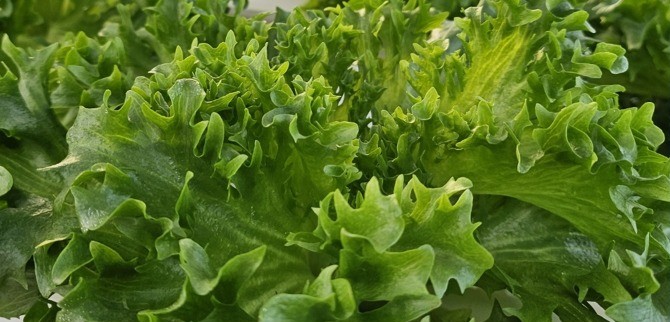
Hydroponic Lettuce
Thicker leaves, deeper green color, and more uniform growth were observed.
BERRY
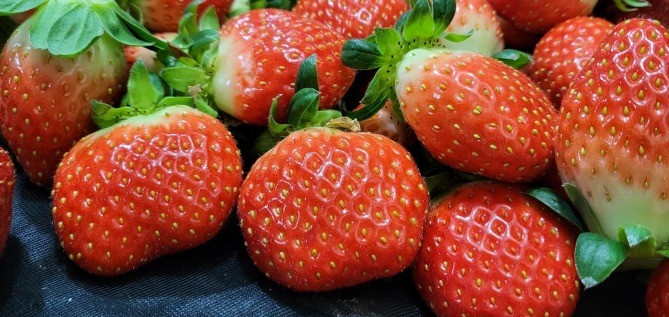
Strawberry
More vivid color, firmer texture, and consistent fruit development were observed.
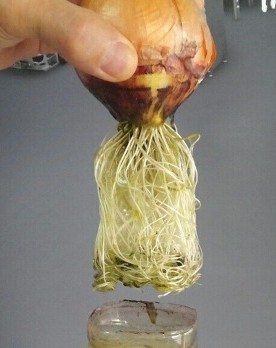
ROOT COMPARISON
Root Development Comparison
Plants irrigated with q.wave-conditioned water showed thicker, denser root development in this comparison.
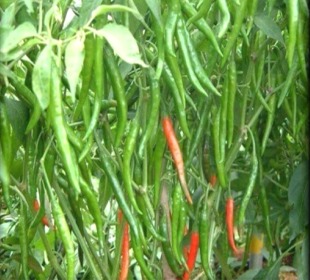
FIELD CROP
Chili Pepper
More uniform fruit size and elongated growth were observed.
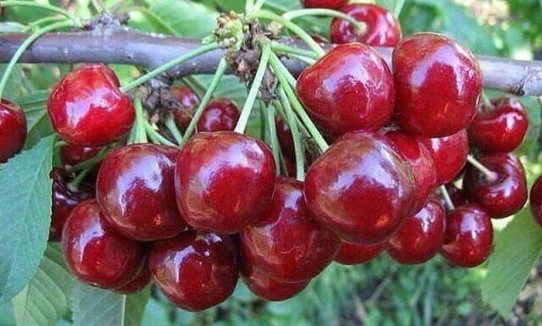
ORCHARD
Cherry
Growers reported improved color, sweetness, texture, and fuller fruit development.
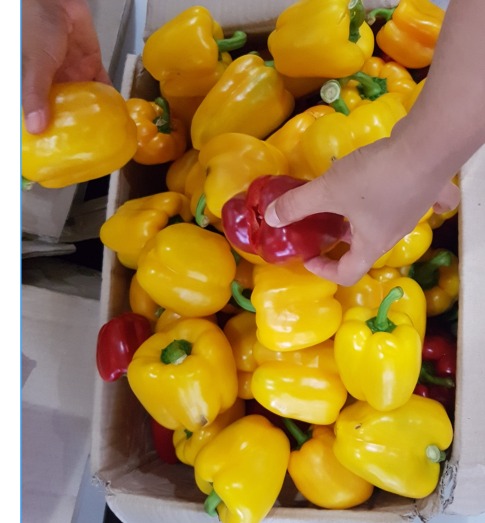
VEGETABLE
Bell Pepper
Vivid color, firm texture, and consistent fruit development were observed.
ROOT CROP
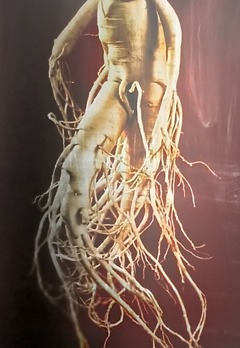
Ginseng & Codonopsis
Thicker, more developed root structures were observed at harvest.
ROOT CROP
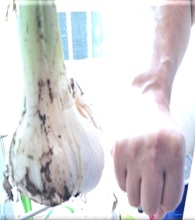
Garlic
Larger, firmer bulbs were observed at harvest.
CHERRY TOMATO
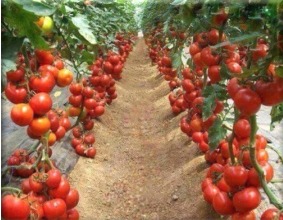
Cherry Tomato
Dense fruit clusters, consistent color, and uniform development were observed.
GRAPE
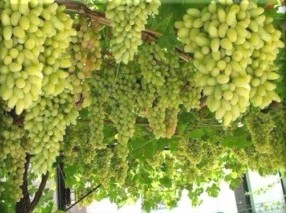
Shine Muscat
Fuller clusters with consistent fruit size and even ripening were observed.
These images reflect observations from individual growing sites. Results may vary depending on crop variety, water source, soil, climate, and growing conditions.
Observed Changes Across Growing Sites
Crop
Field Observations
Cucumber (Greenhouse)
Grower reported better irrigation-basin water quality and more uniform fruit; about 20% less fertilizer input at this site
Lettuce (Hydroponic)
Thicker leaves, deeper green color, and more uniform growth observed
Strawberry
More vivid color, firmer texture, and consistent fruit development observed
Root Development
Thicker, denser root development observed in the comparison
Chili Pepper
More uniform fruit size and elongated growth observed
Cherry
Growers reported improved color, sweetness, texture, and fuller fruit development
Bell Pepper
Vivid color, firm texture, and consistent fruit development observed
Ginseng & Codonopsis
Thicker, more developed root structures observed at harvest
Garlic
Larger, firmer bulbs observed at harvest
Cherry Tomato
Dense fruit clusters, consistent color, and uniform development observed
Shine Muscat
Fuller clusters with consistent fruit size and even ripening observed
These observations are specific to individual growing sites and are not presented as controlled comparative results unless otherwise noted. Results may vary depending on crop variety, water source, soil, climate, growing practices, and site conditions.
Field Installation
Off-Grid Operation on a 40-Acre Vegetable Farm
1404 County Road 579, Florida · Installed April 15, 2026
Off-grid q.wave operation on a 40-acre vegetable farm
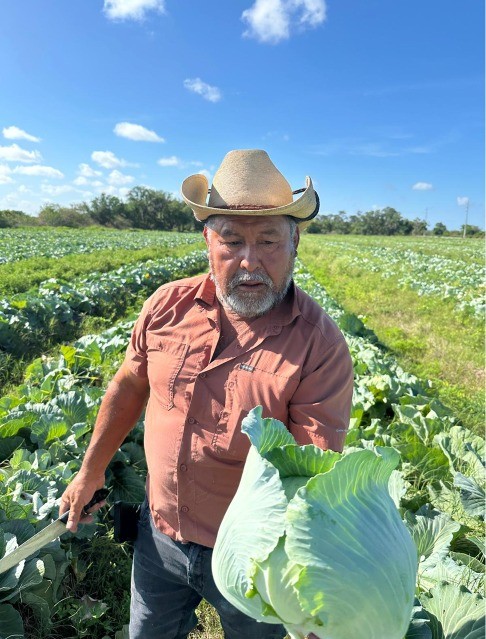
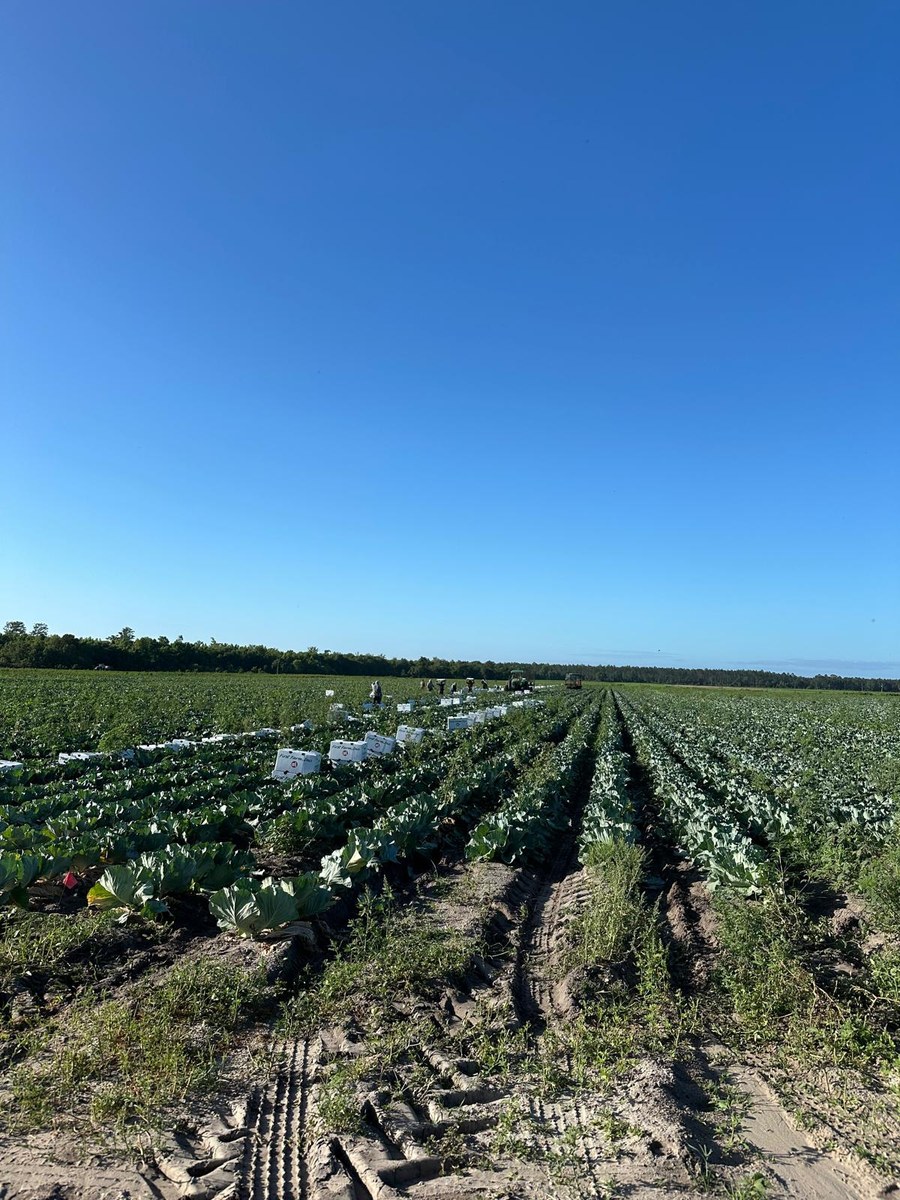
This approximately 40-acre vegetable farm grows cabbage, peppers, and zucchini using groundwater supplied from a central well.
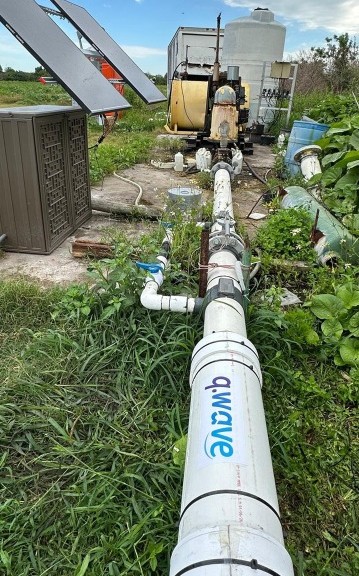
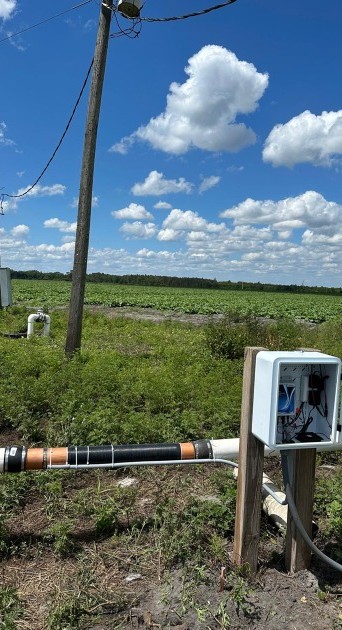
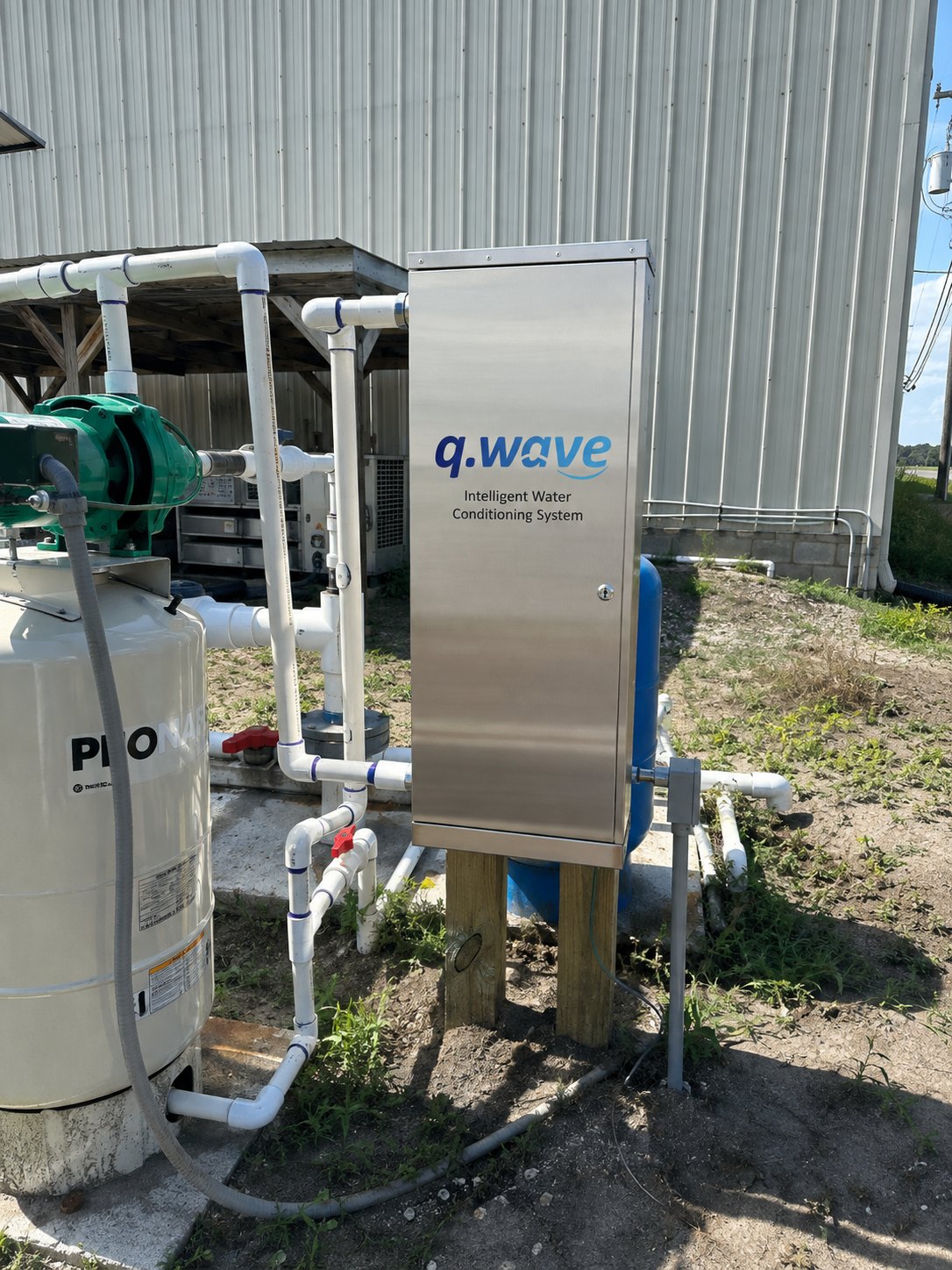
q.wave was integrated into the farm's existing 6-inch PVC irrigation line, with the sensing system, signal coil, and Independent Earth Ground configured for the site. The system is powered entirely by solar energy, allowing q.wave to operate independently of grid power.
Farm & Water Source
40-acre vegetable farm · Cabbage · Peppers · Zucchini — Groundwater from a central well
q.wave Installation
6-inch irrigation line · Real-Time Sensing · Signal Coil · Independent Earth Ground
Solar Power System
400W Solar Array · MPPT Charging System · 12.8V 280Ah LiFePO₄ Battery
Built for the field. Powered by the sun.
The off-grid power system allows q.wave to operate continuously in remote agricultural environments where conventional electrical infrastructure may not be readily available.
Field Installation
q.wave Installation on a 1,800-Acre Commercial Farm
Jacksonville, FL · Installed April 23, 2026
q.wave installation on a 1,800-acre commercial farm
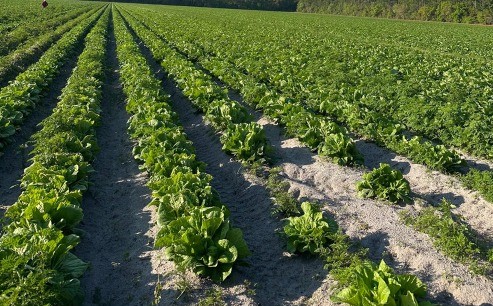
This large agricultural operation covers approximately 1,800 acres and operates around 30 individual irrigation zones.
As the first stage of a broader deployment, q.wave was installed on a 4-inch irrigation line serving approximately 40 acres, where cabbage and radish are grown using groundwater. The installation provides a practical starting point for evaluating q.wave within an existing large-scale irrigation infrastructure before expanding to additional zones.
Farm Scale
Approximately 1,800 acres · Around 30 irrigation zones
Initial Installation
Approximately 40-acre irrigation zone · 4-inch main line
Crops & Water Source
Cabbage · Radish · Groundwater
q.wave Installation
4-inch irrigation line · Real-Time Sensing · Signal Coil · Independent Earth Ground
Power
Connected to the farm's existing electrical supply
Start with one zone. Build for the whole farm.
Extended Application — Washing & Cooling Process
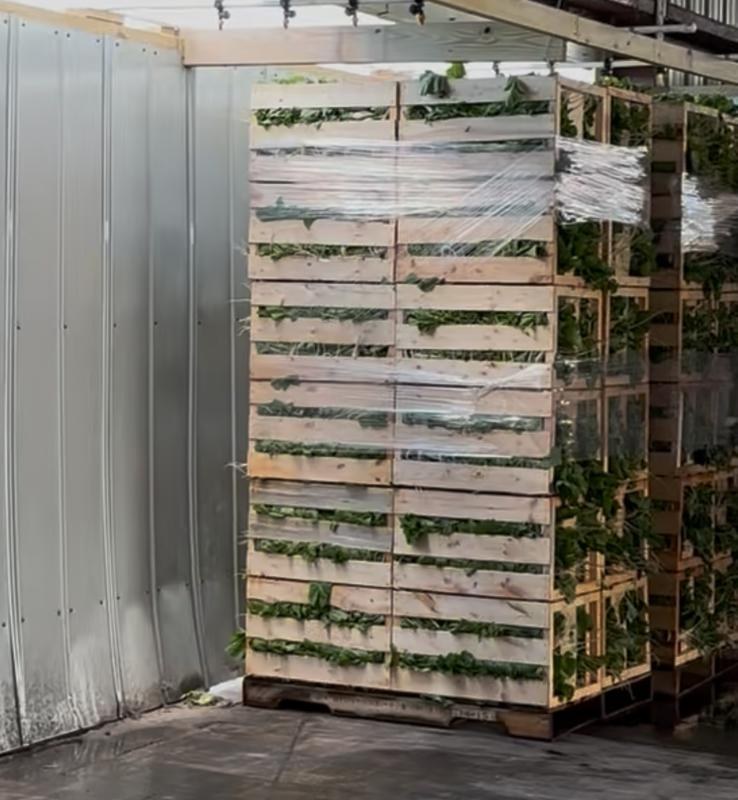
Beyond irrigation, q.wave was also applied to the water used in the post-harvest Washing & Cooling process.
Field report — the grower reported longer produce shelf life after switching to q.wave-treated water (single-site observation, not a controlled comparison)
02
Lake, Pond & Pool
Pond Water Field Observations
When the water changes, you can see it.
POND WATER · SOUTH KOREA
Miryang, Gyeongnam · Muan Park
Muan Park — Visible Improvement in Water Clarity
BEFOREAFTER · 14 DAYS
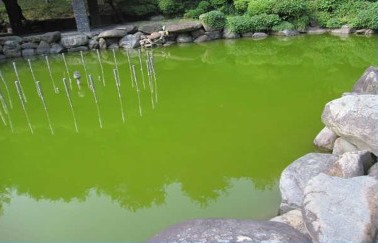
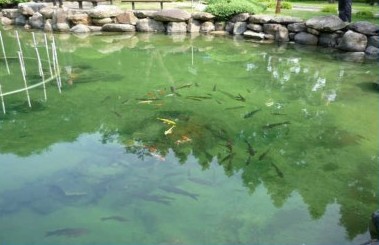
Muan Park pond, Miryang, Korea. These photos were taken 14 days after q.wave was installed. Over that period, the site manager reported that the pond's surface condition and odor looked better than before. Pond conditions are affected by weather, water temperature, source water, biological activity, and circulation; this is an observation, not a controlled comparison.
Observed Changes
— Clearer pond surface (site report)
— Improved water clarity
— Reduced odor
— Fish remained active during the observation period
PRIVATE POND · SOUTH KOREA
Yeoju, Gyeonggi · Private Pond
Visible Change Within 3 Days
BEFOREAFTER · 3 DAYS
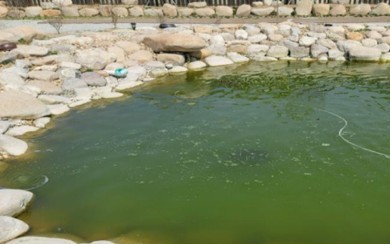
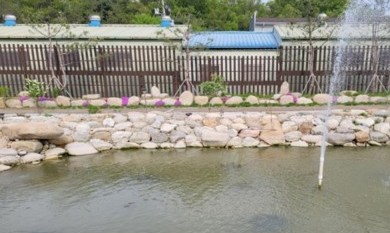
A private pond in Yeoju, Korea. These photos were taken 3 days after q.wave was installed. Over that period, the owner reported that water clarity looked better than before. Pond conditions depend on many factors including weather, temperature, source water, and circulation; this is an observation, not a controlled comparison.
Observed Changes
— Clearer pond surface (site report)
— Improved water clarity
— Change observed within 3 days
— No treatment chemicals added by q.wave
Field observations from individual pond installations. Changes in pond conditions can be influenced by weather, temperature, water source, biological activity, circulation, and other site conditions.
Pool case studies are currently in progress at additional sites, and this section will be updated as results become available.
03
Industrial Water
University Research Collaboration
Research Collaboration with the University of Central Florida (UCF)
q.wave is working with the University of Central Florida (UCF) on a controlled research program to better understand how q.wave-conditioned water performs under defined operating conditions.
The study focuses on mineral scale behavior in a controlled water-loop system, comparing treated and untreated conditions over time.
The goal is to move beyond field observations and build a clearer, data-based understanding of q.wave technology through structured university research.
Research Institution
University of Central Florida (UCF) · Florida
Research Focus
Controlled water-loop testing · Mineral scale behavior · Comparative system performance
Study Approach
Parallel treated and untreated water conditions with monitored operating parameters
Status
Research in progress
From field observations to controlled research — building a deeper understanding of how q.wave works.
04
Golf Turf
Golf & Turf
Clearer Ponds. Healthier Fairways.
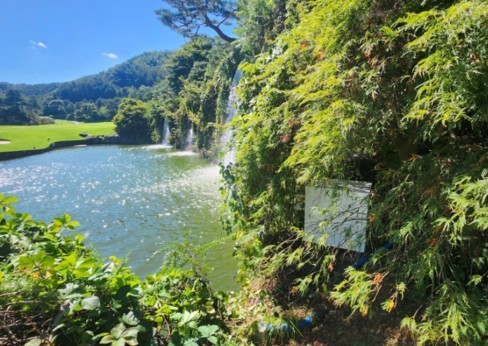
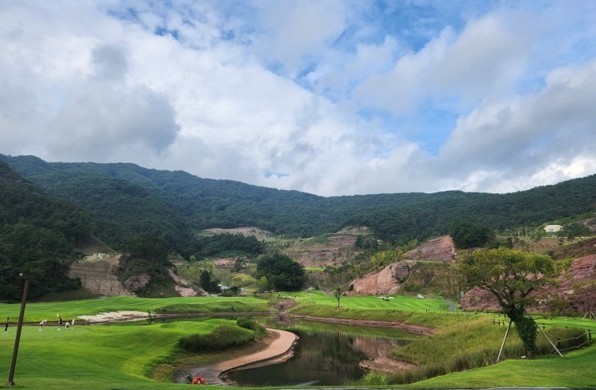
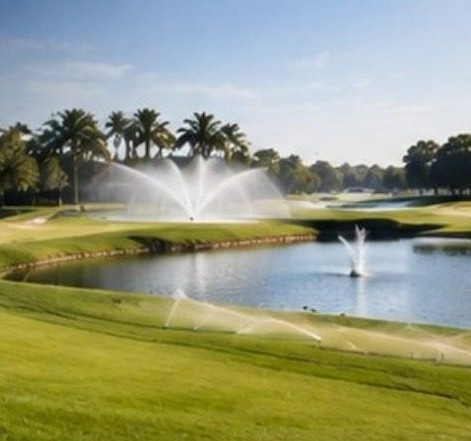
q.wave has been applied to golf course ponds and irrigation systems in Korea, supporting water management from the water source to the turf. Course staff reported clearer, more stable pond conditions and easier irrigation management over the period — site reports, not controlled comparisons.
Pond Water · Irrigation · Turf Management
GAPYEONG CC · YICHEON CC
Improved Pond Water Conditions
Following q.wave installation, course staff reported that pond surface condition and odor looked better than before, with clearer, more stable pond conditions. Pond conditions depend on many factors; this is a site report, not a controlled comparison.
Site reports: Better surface condition · Less odor · Clearer pond water
GOKSEONG CC
From Pond Water to Irrigation
q.wave was applied across the course's pond and irrigation system, extending water conditioning from the water source to the turf. Course staff reported clearer, more stable pond conditions over the period.
Observed: Clearer Pond Water · Cleaner Irrigation Conditions · More Uniform Turf
Different courses. Different water conditions. The same focus: better water management from pond to turf.
05
Concrete & Ready-Mix
Concrete & Ready-Mix Applications in Development
q.wave applications for concrete and ready-mix water are currently being explored. Case studies will be added as field data on hydration, curing, and concrete performance becomes available.
Industries
One Technology. Everywhere Water Works.
Water plays a different role in every industry — growing crops, transferring heat, supporting hydration, or keeping systems operating efficiently. q.wave applies the same core approach to each: sense the water, adapt the signal, and condition it as it flows.
Different applications. Same intelligent approach to water.
Farm IrrigationGreenhouseGolf TurfIndustrial Water